Russian grammar without the table overload
Learn Russian grammar in layers: sentence meaning first, noun gender and basic verb patterns next, then cases and aspect as tools for expressing relationships and completed actions. Use one pattern in real sentences before adding another table.
Russian grammar feels large because textbooks often present the whole system at once. In conversation, however, you only need the next pattern that helps you say something useful. A beginner can communicate well with a small set of verbs and case forms while the rest develops gradually.
This learning path explains what each system does before asking you to memorize endings. You will still meet patterns and exceptions, but every rule should answer a communication problem: who did it, where something is, who receives it, or whether an action is complete.
A practical order
Three steps that build on each other
- 1
Build simple sentences with present-tense verbs
Learn a few high-frequency verbs and their person endings. Make affirmative, negative, and question versions before expanding the vocabulary.
- 2
Treat cases as meanings
Learn one use at a time: destination, location, possession, direct object. Add the matching endings to sentences you already know instead of memorizing six complete charts in isolation.
- 3
Add aspect when time becomes important
Imperfective and perfective verbs answer different questions about process, repetition, and completion. Learn useful pairs inside short stories rather than as disconnected dictionary entries.
Free reference
Keep the six cases straight
Choose the case by meaning, check the reference chart, then try ten sentences with feedback on each answer.
Read next
Guides from first step to real use

Grammar
Russian Gender for English Speakers: A 5-Minute Primer
Russian Gender for English Speakers: A 5-Minute Primer
Grammar
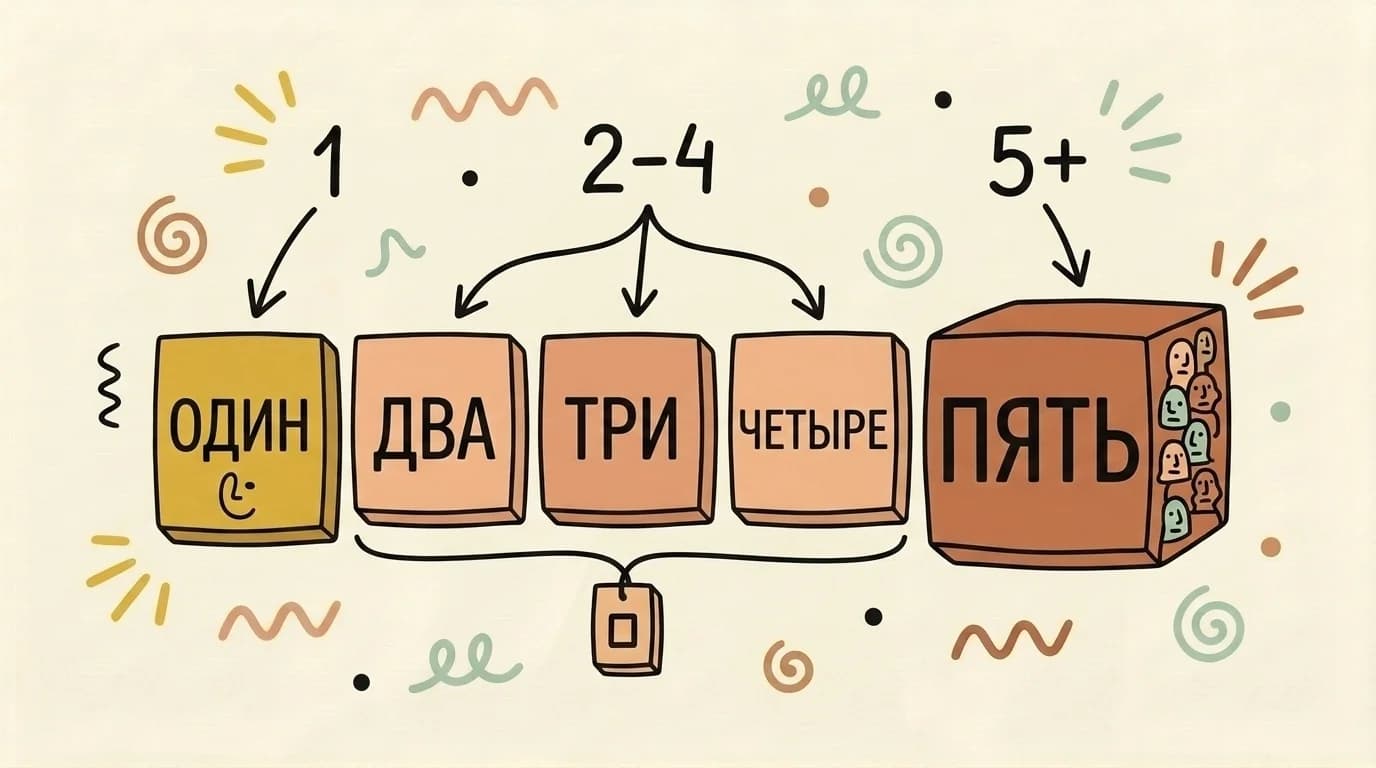
Russian Numbers and Nouns: The 1, 2-4, 5+ Rule
Learn the Russian 1, 2-4, 5+ counting rule with noun forms, examples, and the teen exception that catches beginners.
Grammar
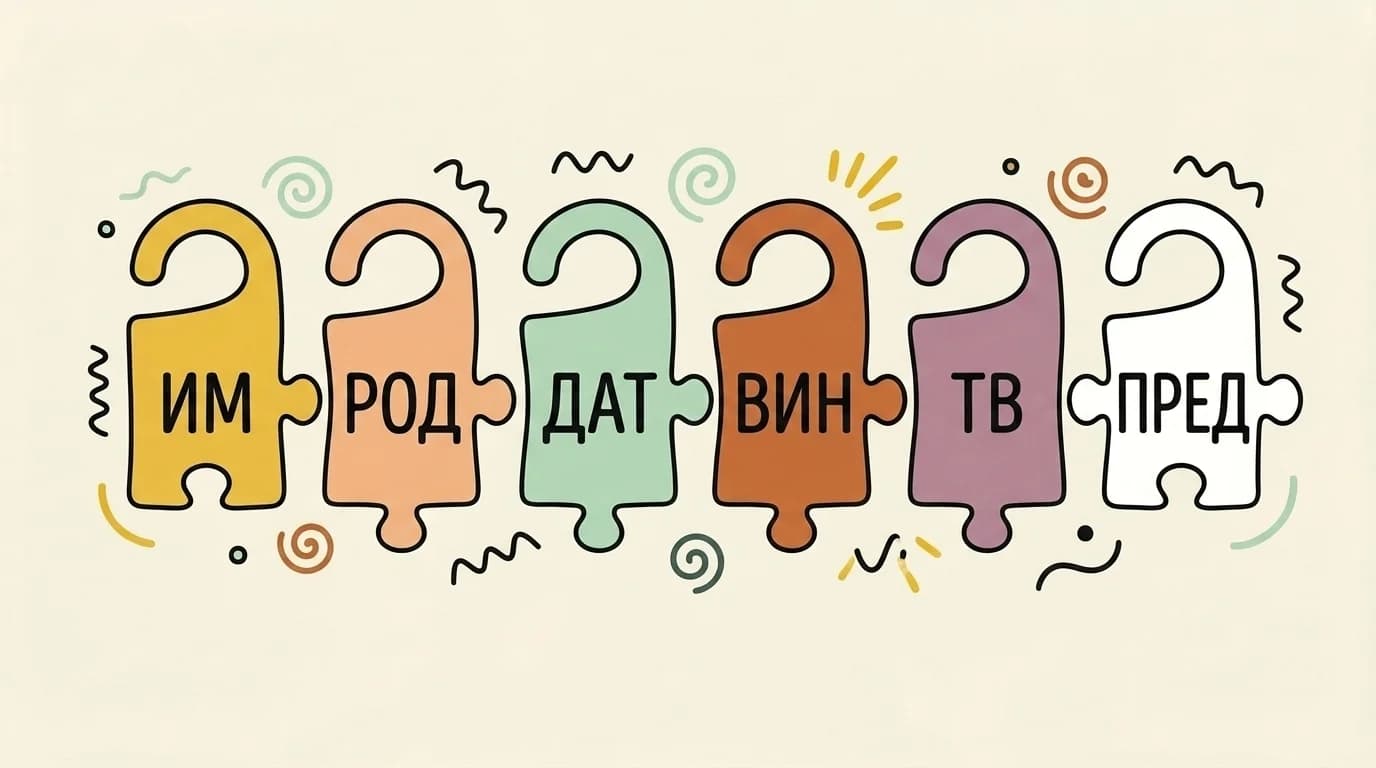
The 6 Russian Cases, Demystified Without the Boring Tables
The 6 Russian Cases, Demystified Without the Boring Tables

Grammar
Russian Verb Conjugation: The 80/20 You Actually Need
The 80/20 of Russian Verb Conjugation
Grammar
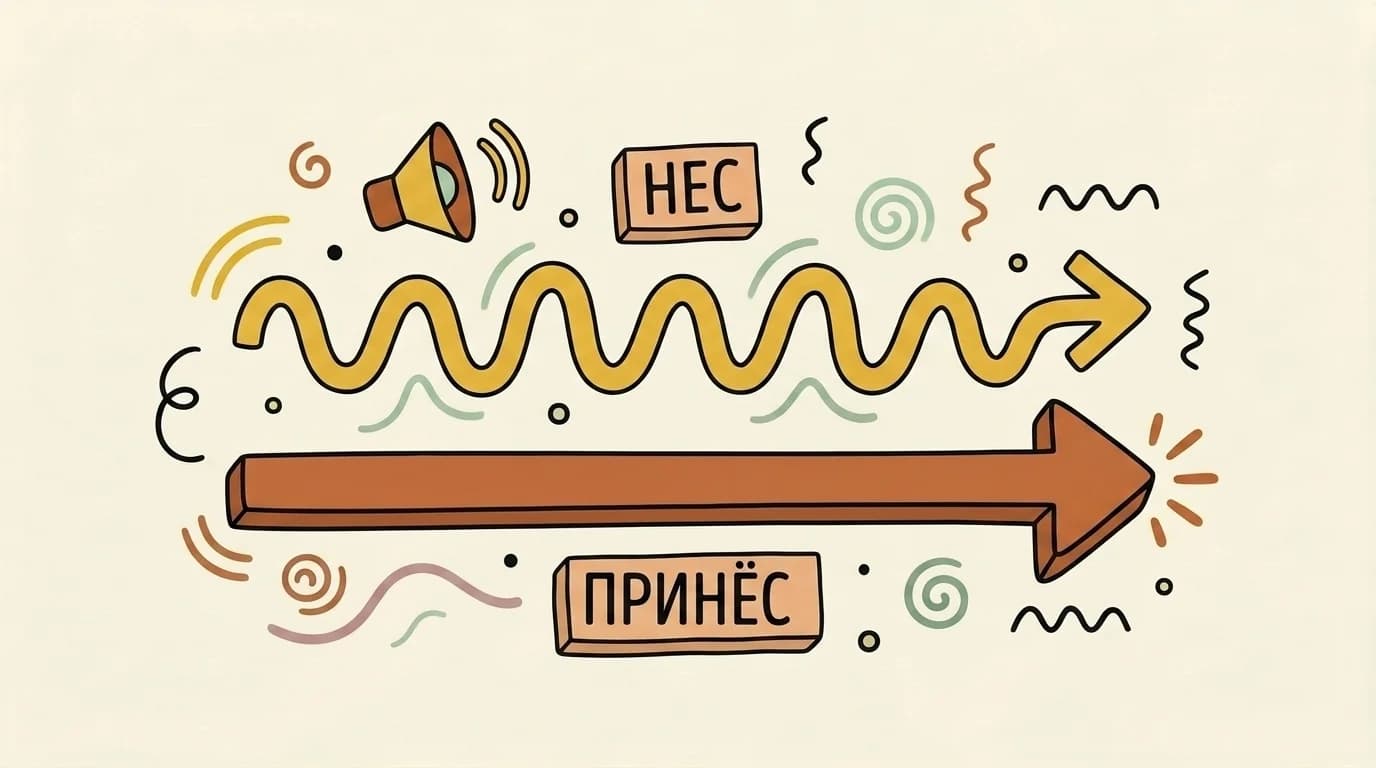
Verb Aspects in Russian (Perfective vs Imperfective): The One Big Idea
Verb Aspects in Russian (Perfective vs Imperfective): The One Big Idea
Quick answers
Common questions
What Russian grammar should a beginner learn first?
Start with personal pronouns, present-tense verb endings, negation, noun gender, and the most common accusative and prepositional case uses. Add the full case system gradually.
Do I need to memorize all six Russian cases?
You need all six eventually, but not all at once. Learn each case through its most useful meaning and a small group of phrases, then expand its uses as you encounter them.
Why do Russian nouns change endings?
Endings show a noun's role in the sentence, such as subject, object, destination, location, possession, or instrument. English often communicates the same information with word order and prepositions.
What is Russian verb aspect?
Aspect distinguishes an action viewed as a process, habit, or repetition from an action viewed as a completed whole. Russian commonly expresses that contrast with related verb pairs.
Turn the next step into a conversation
Bring the words or rule that keeps tripping you up. Alex will turn it into a practical 30-minute trial with feedback you can use immediately.
Free trial, no card and no commitment.