Learn Russian Cyrillic and pronunciation
Learn Cyrillic by sound groups, not by reciting all 33 letters. Read short real words immediately, then add Russian word stress, vowel reduction, soft consonants, and the signs ь and ъ. Accuracy grows faster when reading and pronunciation are trained together.
The Russian alphabet is not the hard part learners imagine. Several letters already look and sound familiar, several look familiar but make a different sound, and the remaining letters become manageable when tied to real words.
The bigger challenge comes after decoding: Russian spelling does not always tell you which syllable is stressed, and unstressed vowels change sound. A good reading path therefore moves from letters to syllables, then from syllables to stressed words and complete phrases.
A practical order
Three steps that build on each other
- 1
Decode the alphabet in useful groups
Start with familiar letters such as А, К, М, О and Т. Then tackle false friends such as В, Н, Р and С. Finish with genuinely new shapes. Read a few real words after each group.
- 2
Read syllables before long words
Russian words become much less intimidating when you see recurring chunks. Practise consonant-vowel combinations and common endings instead of spelling every letter separately.
- 3
Train stress and softness by ear
Record the stressed syllable with every new word. Compare hard and soft consonants in pairs, and treat ь and ъ as pronunciation instructions rather than spoken letters.
Free practice tool
Test the Russian alphabet
Check ten random letters or work through all 33. Every answer explains the sound, false friend or sign. Your result keeps the letters to review together.
Read next
Guides from first step to real use
Cyrillic
The Russian Alphabet for English Speakers: Cyrillic Mnemonics That Stick
Read your first Russian words in 30 minutes. Visual mnemonics that make the Cyrillic alphabet stick for English speakers, no rote drilling required.
Cyrillic
Cyrillic Alphabet to English: The Full Transliteration Guide
Look up all 33 Russian letters, their usual English transliterations, pronunciation notes, and examples that show why spelling and sound do not always match.
Cyrillic
Russian Cursive: How to Read and Write Russian Handwriting
A practical guide to Russian cursive for English speakers: every handwritten letter, the lookalikes that trip everyone up, and how to read and write by hand.
Cyrillic
Russian Stress Patterns: Why Words Sound Different Than They Look
Russian Stress Patterns: Why Words Sound Different Than They Look
Cyrillic
Russian Soft Sign vs Hard Sign: ь and ъ Explained
Understand the Russian soft sign ь and hard sign ъ with pronunciation guidance, minimal pairs, spelling patterns, and common beginner mistakes.
Cyrillic
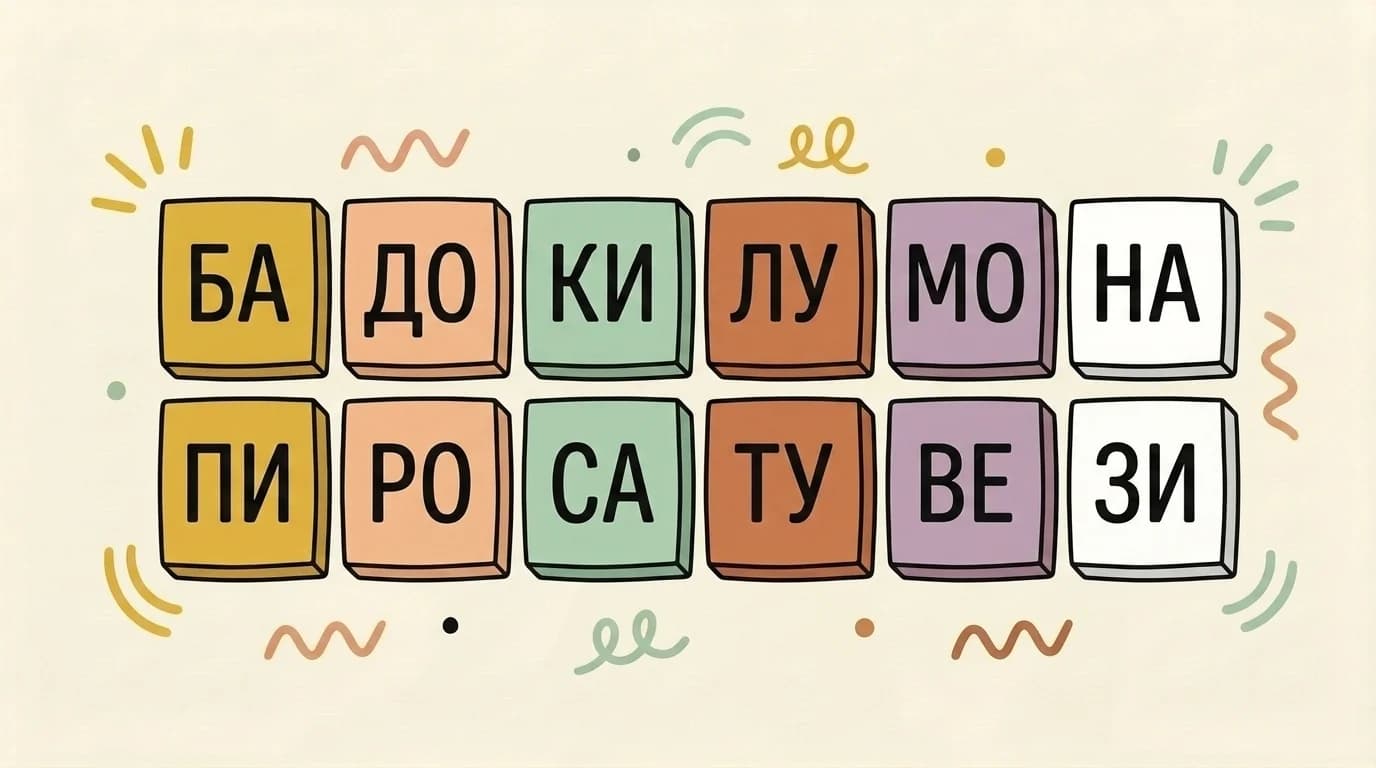
Russian Reading Practice: From Cyrillic Letters to Real Words
Practice Russian reading with real words, stress marks, vowel reduction, soft consonants, clusters, exercises, and answers.
Quick answers
Common questions
How long does it take to learn the Russian alphabet?
Most learners can recognize all 33 letters within a few focused sessions. Reading comfortably takes longer because you also need practice with word stress, joined sounds, and vocabulary.
Is Russian Cyrillic phonetic?
Cyrillic gives a strong guide to pronunciation, but it is not perfectly phonetic. Unstressed vowels reduce, consonants can become voiced or devoiced, and stress is not normally written.
Should I learn Russian cursive as a beginner?
Learn to recognize basic cursive after you can read print. You do not need beautiful handwriting immediately, but recognizing common handwritten forms prevents a second alphabet shock later.
Why is Russian word stress difficult?
Stress can move between forms of the same word and is usually not marked in ordinary writing. Learn the stressed syllable as part of every word rather than trying to predict it from spelling alone.
Turn the next step into a conversation
Bring the words or rule that keeps tripping you up. Alex will turn it into a practical 30-minute trial with feedback you can use immediately.
Free trial, no card and no commitment.